

Thermal account 3.0
An opportunity not to be missed!
The new"Conto Termico 3.0" incentive allows electric vehicle charging infrastructure to be included in energy efficiency projects, increasing the total value of the incentive paid to the end customer.
The incentive is provided as a non-repayable grant by the GSE (Energy Services Manager).

Who is eligible for the incentive?
The 3.0 incentive (including charging stations) is available if the work is carried out by:
- ESCO (may submit the application on behalf of the end customer).
- Renewable Energy Communities (REC)
- Public administrations
- Third sector entities (private non-profit organizations such as social cooperatives, foundations, associations, etc.) treated as public administrations.
General scope of the Incentive
The incentive is calculated on the maximum eligible costs defined by the GSE:
- Small-scale measures to increase energy efficiency in buildings: 20-65%
- Small-scale interventions for the production of thermal energy from renewable sources: up to 65% or calculation based on estimated productivity
- 100% for municipalities with fewer than 15,000 inhabitants, schools, and hospitals
For detailed information on how to access the incentive, visit the website: https://www.gse.it/servizi-per-te/efficienza-energetica/conto-termico-3-0
Why include charging systems in the energy upgrading project?
Increasing the value of the project:
Making full use of the budget
Offer a complete solution (Renewable Energy + Sustainable Mobility) by raising the total incentive for the end customer
You can use the incentive budget to offer integrated solutions (energy retrofitting + electric mobility), making your energy retrofitting offer more comprehensive and competitive.
Do charging systems fall under the incentive?
The installation of charging stations is not eligible for individual incentives. To qualify for the incentive, it must be combined with the replacement of existing winter air conditioning systems with winter air conditioning systems equipped with electric heat pumps.
What are the incentive limits?
The maximum incentive value for charging systems depends on the technology and power of the charging point installed.
The table shows the maximum amounts broken down by type:
| Power (P) | 7.4 kW < P < 22 kW | 22kW < P < 50kW | 50kW < P < 100kW | over 100 kW |
|---|---|---|---|---|
| Maximum incentive | €2,400 / Single-phase charging point €8,400 / Three-phase charging point | €1,200/kW | €60,000 / infrastructure | €110,000 / infrastructure |

What expenses are eligible?
The incentive covers the direct and ancillary costs necessary for the installation of the charging station or wallbox, including:
- Supply and installation of the charging device.
- Strictly necessary electrical and masonry work ( e.g., excavations, conduits, wiring, electrical panels, protections).
- Management and control systems (software for monitoring consumption or managing access).
- Design, construction supervision, and professional certifications.
Important note: The incentive for charging systems can never exceed the amount of the incentive granted for the main intervention (the heat pump).
Will any charging system do?
Eligible columns must meet specific requirements and comply with the standard:
- Minimum power:7.4 kW
- Compliance with CEI EN 61851-1 standard
- Smart Functionality: Required to be equipped with systems for measuring, recording, and transmitting power and the ability to receive and implement external commands (dynamic load management)
- Registration on the Single National Platform (PUN)
- Declaration of conformity MISE 01/22/2008 no. 37
All charging systems produced by S&h meet these requirements. Please feel free to contact us so that we can support you in choosing the right product.
Compliant charging systems?
The safety of charging stations is regulated by the IEC 61851-1 standard. This introduces a universal communication system based on the PWM circuit, which allows the station and the car to 'talk' to each other. This constant exchange of data is essential to protect people during use and safeguard the integrity of the batteries .
An in-depth look at charging technologies:
What is the difference between Mode 3 and Mode 4?
Below is a table explaining the main differences between these two standardized charging standards:
| Mode 3 (AC) | Mode 4 (DC) | |
|---|---|---|
| Definition | Alternating current (AC) charging | Direct current (DC) charging |
| Speed | Slow / Fast | Fast / Ultra-fast |
| AC/DC conversion | It happens in the car | It happens in the column |
| Typical power ratings | 7.4 kW (single-phase) - 22 kW (three-phase) | 60 kW, 100 kW, 150 kW, 350 kW |
| Connectors | Type 2 | CCS Combo2 or CHAdeMO |
| Typical use | Long stops (home, work, hotel) | Short stops (Refueling areas, highways, high-traffic roads) |
What are the charging systems like?
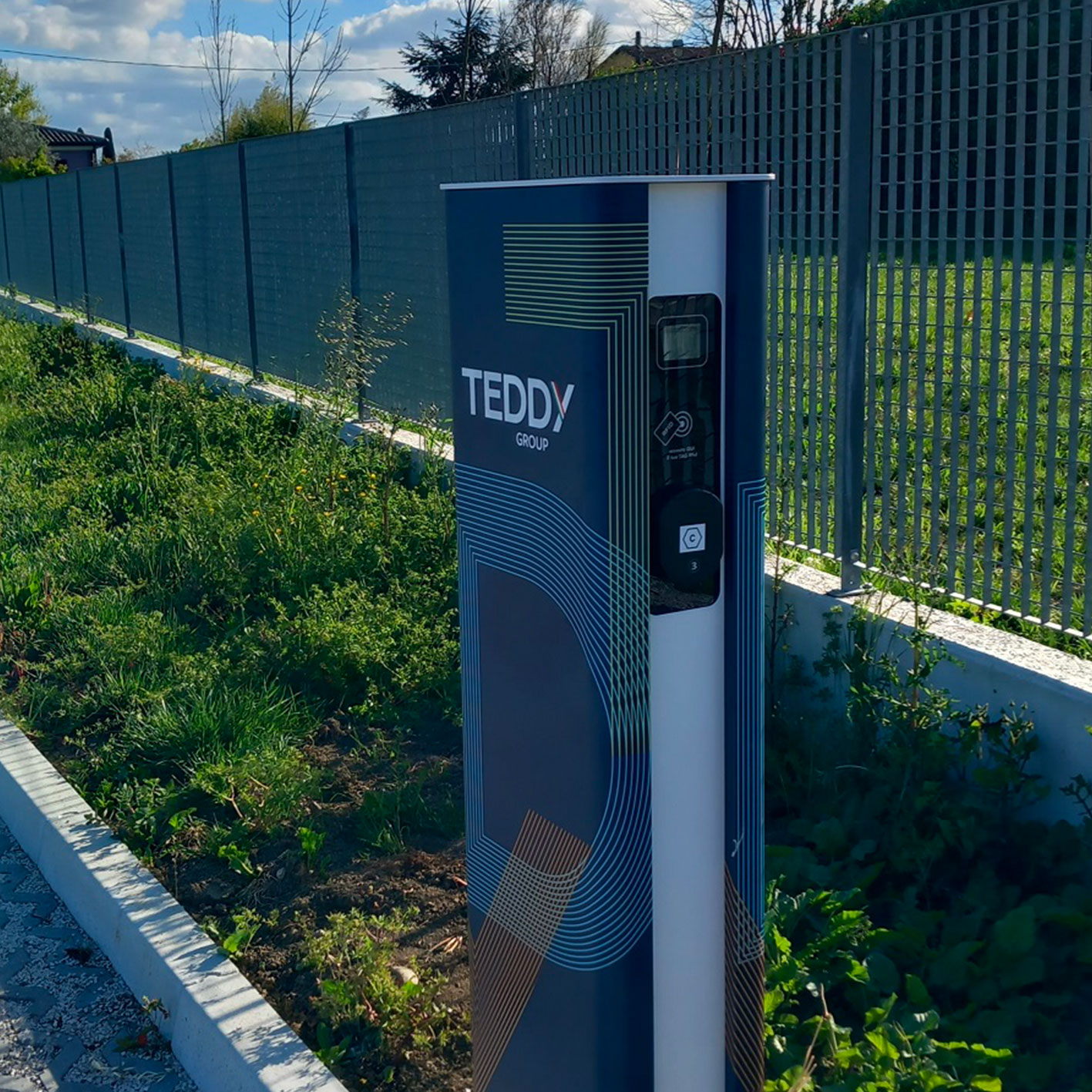
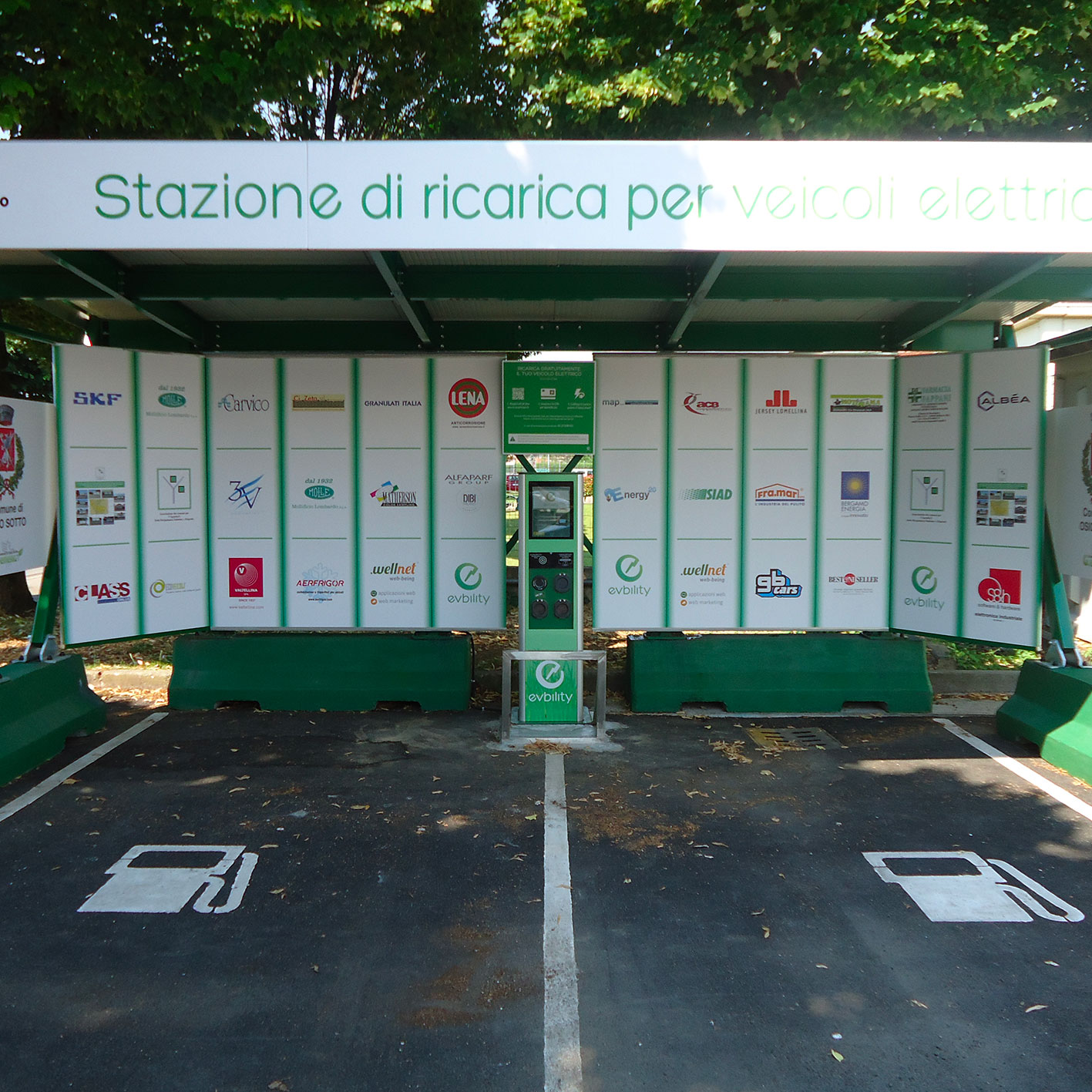
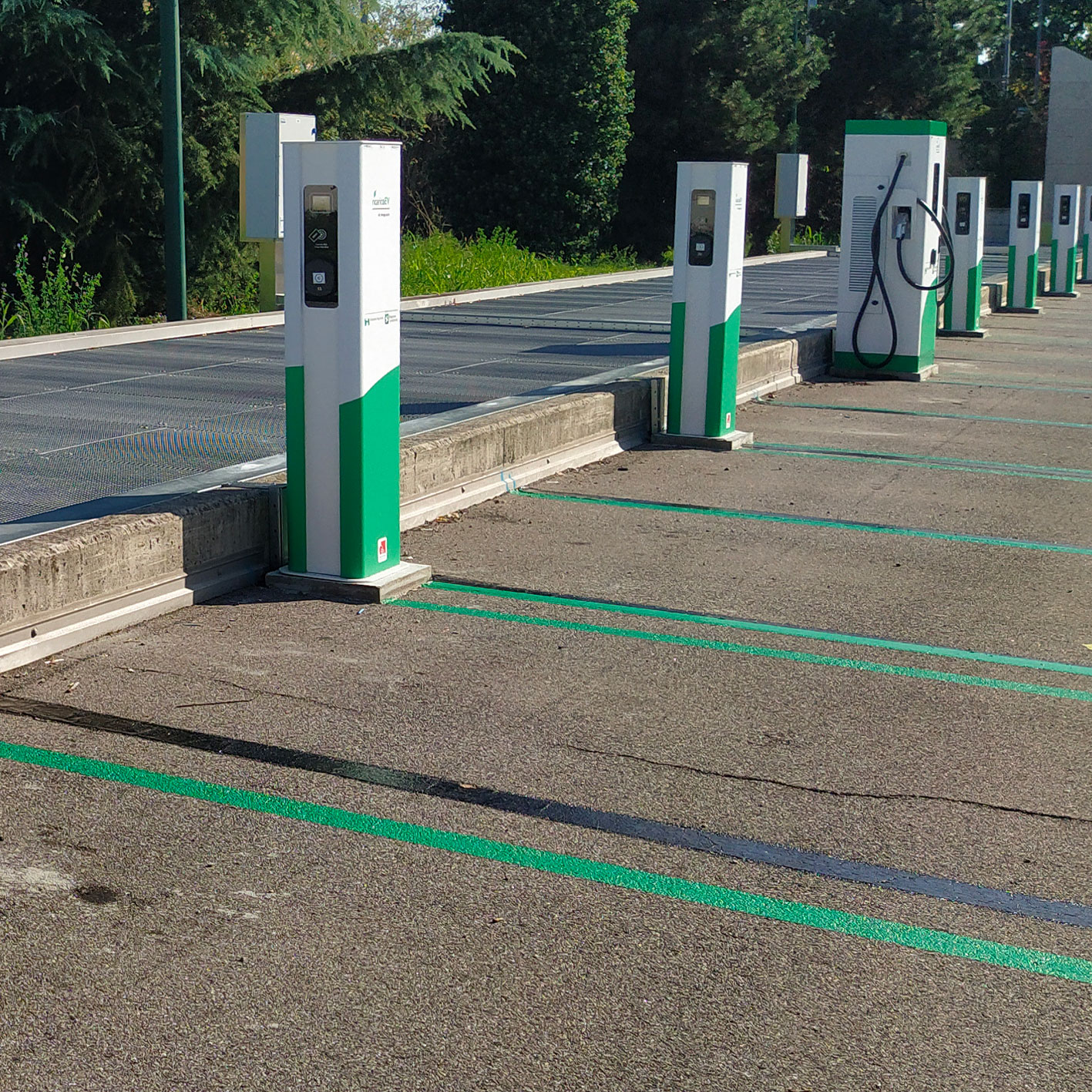
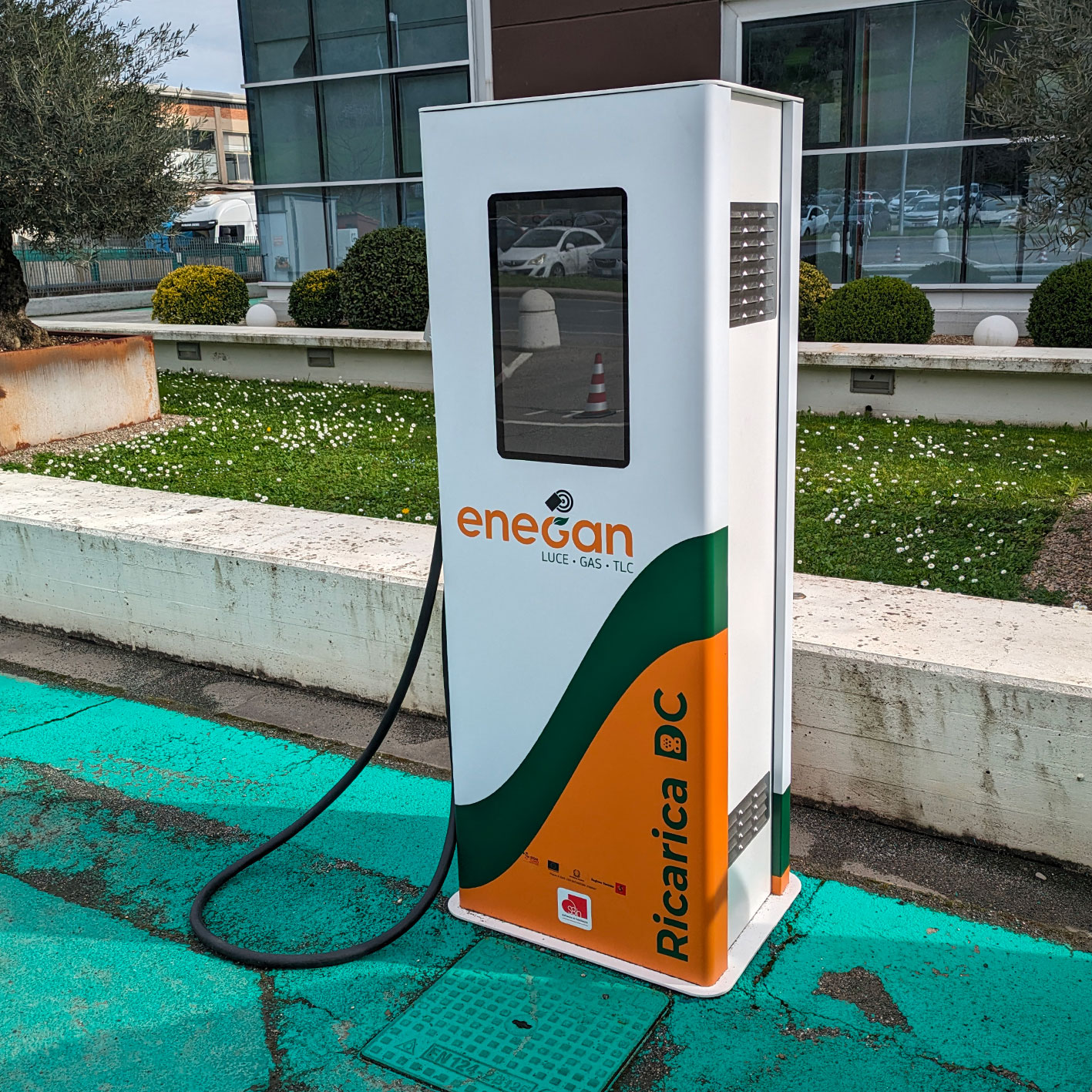
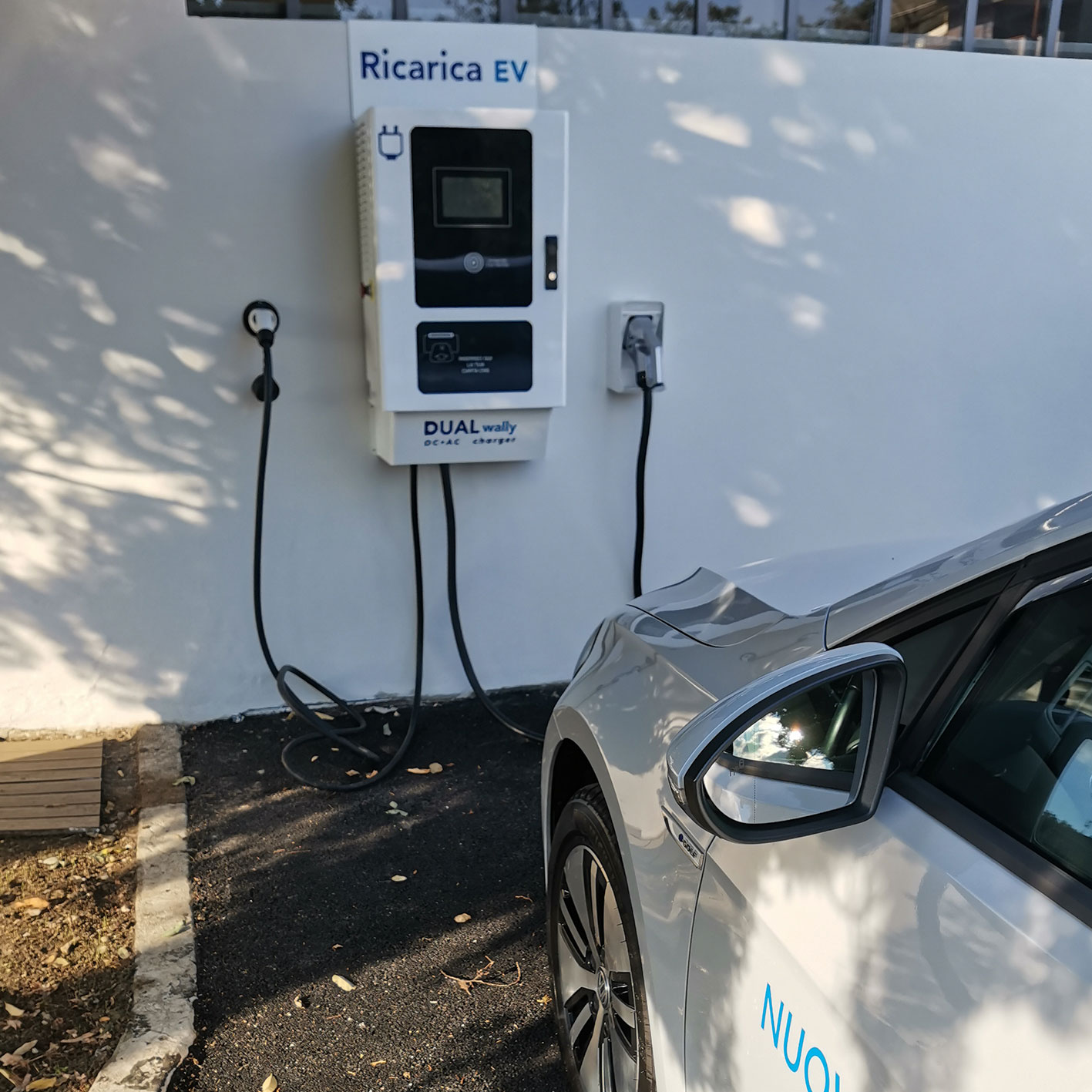
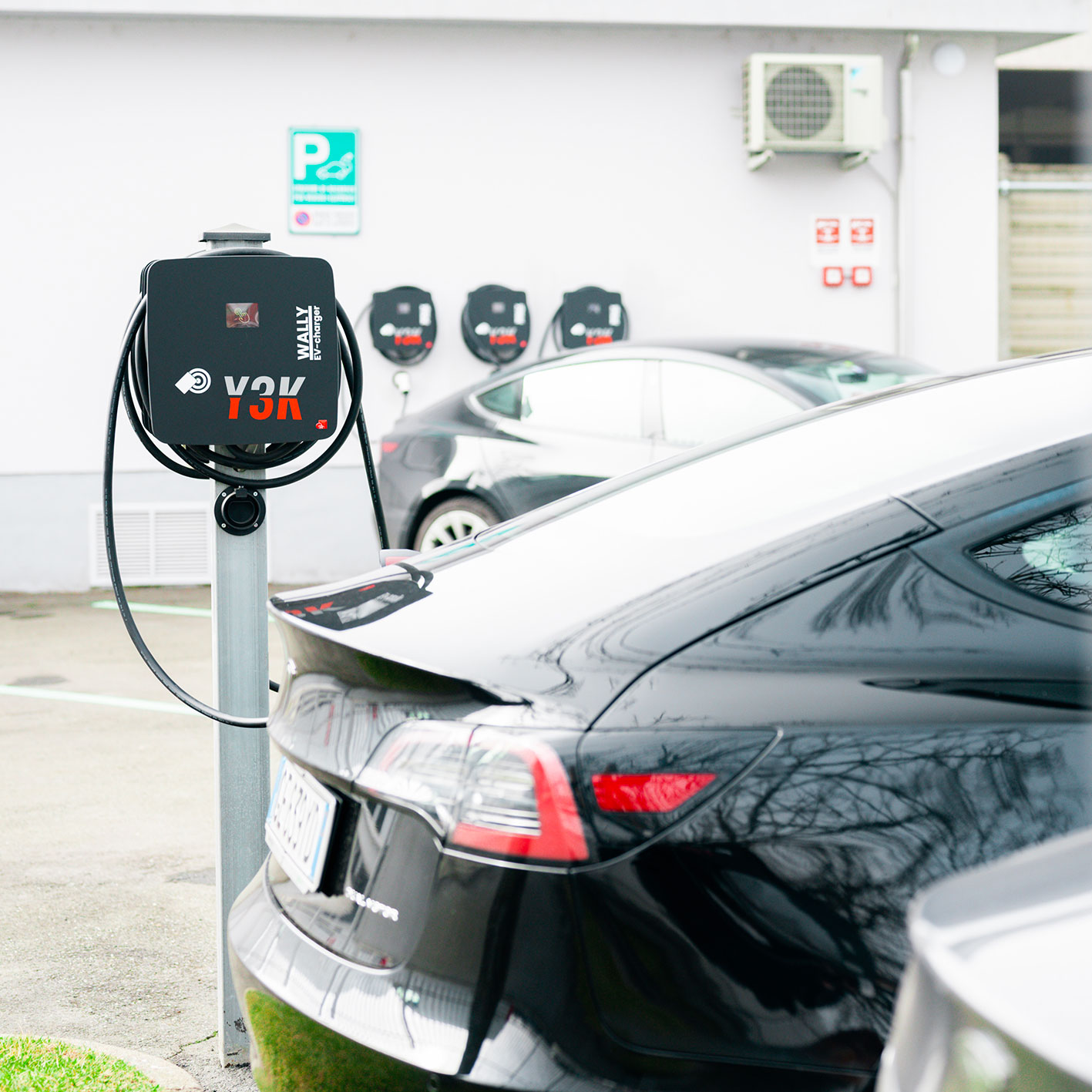
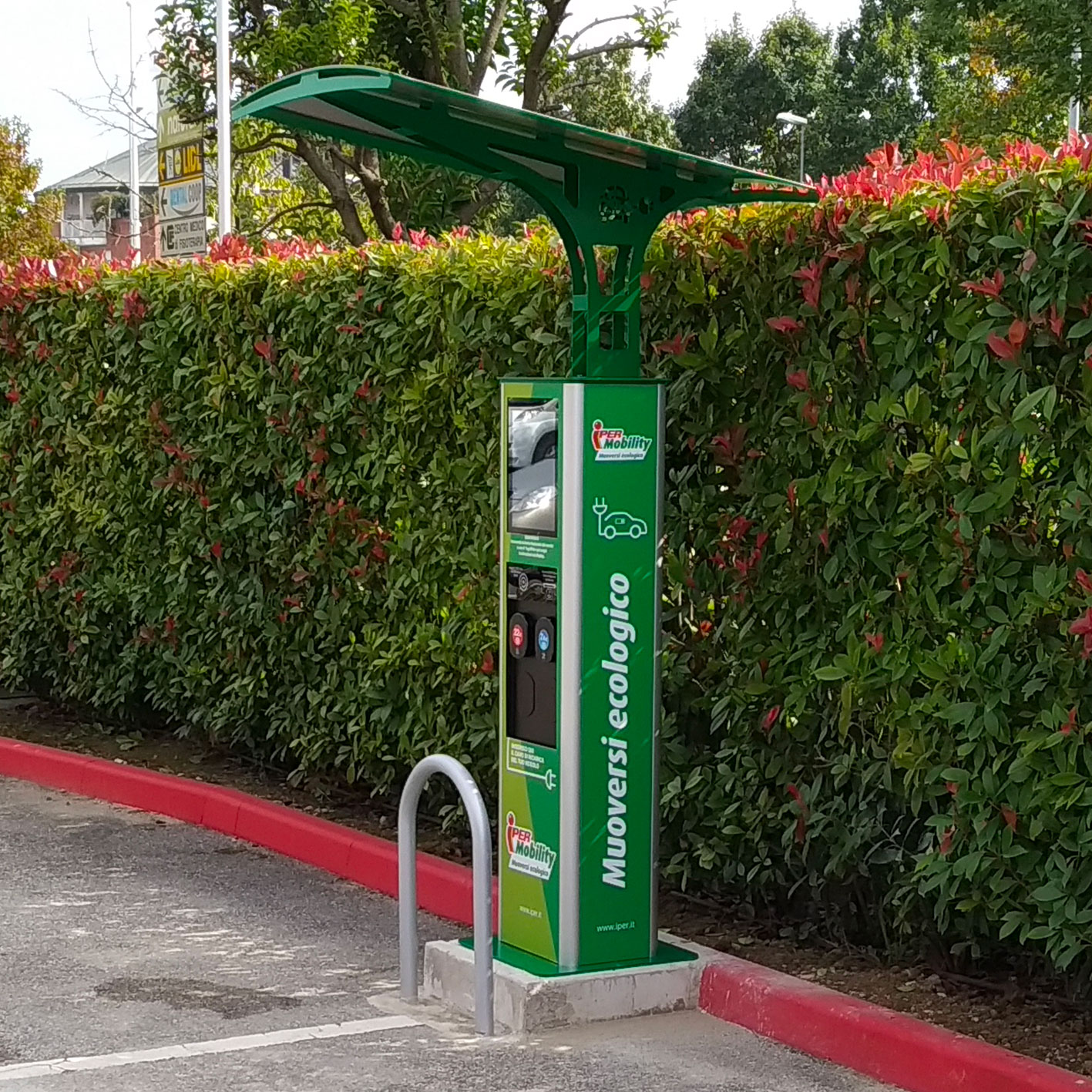
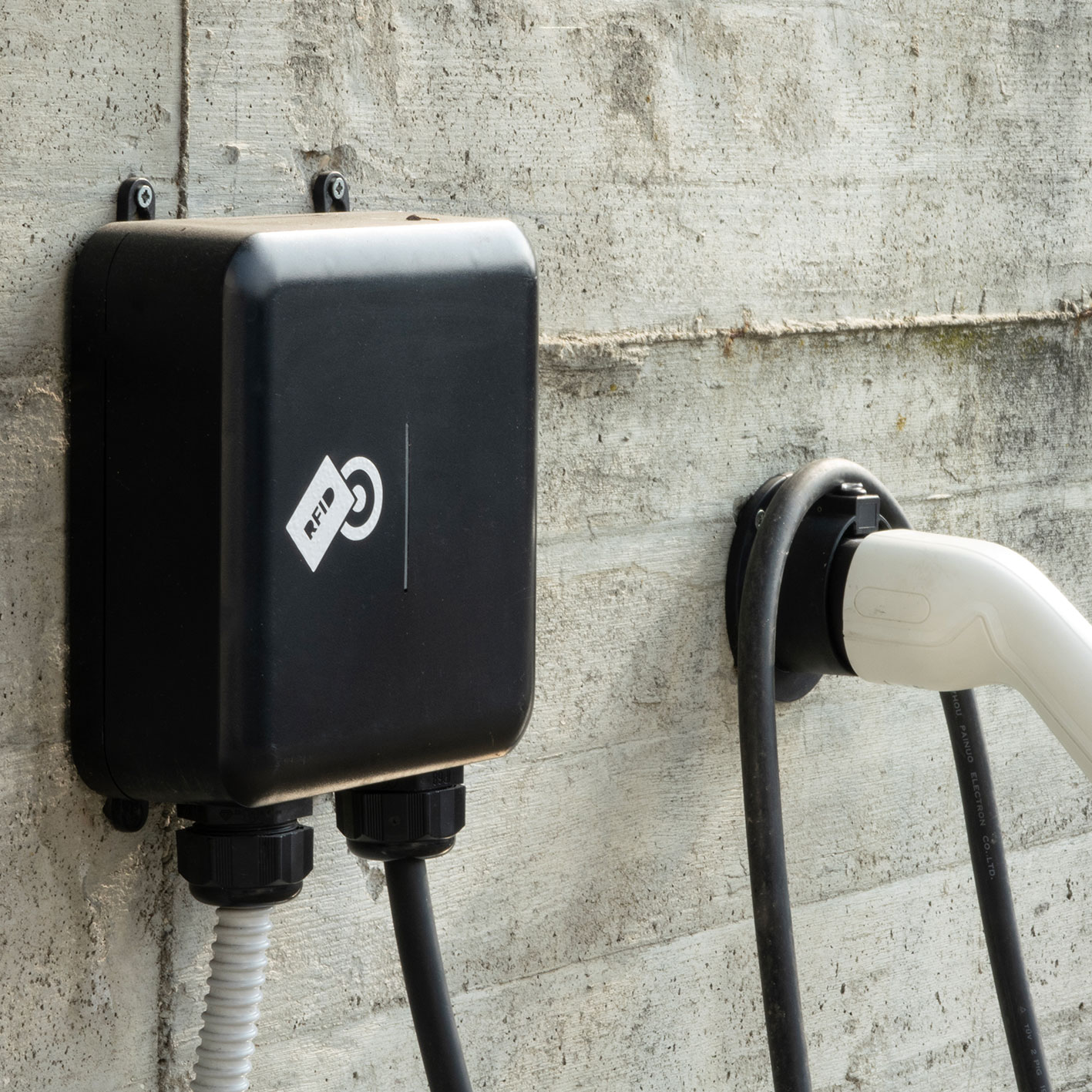
The table shows some examples of charging solutions.
Mode 3 | Mode 4 |
||
|---|---|---|---|
| Wallbox | Columns | Multiplug | Columns |
 |  |  |  |
Why S&h
"all inclusive" turnkey charging solutions
Turning to S&h means having asingle point of contact for the entire product life cycle, from manufacturing to installation, from management to after-sales service and support
solutions developed to last
Our charging systems are designed and manufactured to the highest industry standards to ensure maximum reliability and long operational life over time
a partner at your disposal
Thanks to decades of accumulated experience in the field of charging systems, S&h stands as your strategic technology partner, enabling you to select the most suitable solution on a case-by-case basis and thus offering your customers superior service
quality care
Our commitment does not end with delivery. We ensure comprehensive long-term support service, acting as a reliable partner that stays by your side throughout the operational life of the installed system




Do you want to know more?
For a free consultation or to find out more about S&h certified solutions use the form below or contact us. We will be happy to help you take advantage of this opportunity.